Who gets tonsil stones?
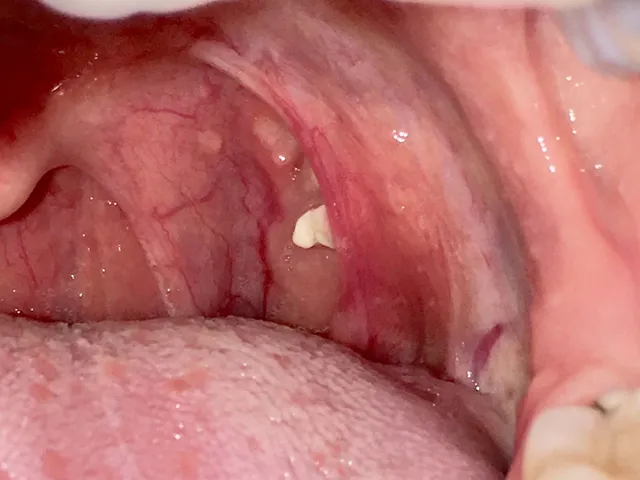
Anyone who has tonsils can get them. However, some people are more likely than others to form tonsil stones, including those who
- have tonsils with lots of indentations and irregular surfaces rather than a smooth surface
- smoke
- drink lots of sugary beverages
- have poor oral hygiene
- have a family history of tonsil stones.
How are tonsil stones treat?
That depends on whether you have symptoms and how severe the symptoms are.
- If you have no symptoms, tonsil stones may require no treatment.
- If you do have symptoms, gargling with salt water or removing tonsil stones with a cotton swab or a water flosser usually helps. Avoid trying ทางเข้า UFABET สำหรับสมาชิกใหม่ สมัครวันนี้ รับโบนัสฟรี to remove them with sharp, firm objects like a toothpick or a pen, as that can damage your throat or tonsils.
- If your tonsils are inflamed, swollen, or infecte. Your doctor may prescribe antibiotics or anti-inflammatory medications.
Is surgery ever necessary?
Occasionally, surgery may be warranted. It’s generally reserved for people with severe symptoms or frequent infections. Who don’t improve with the measures mentioned above.
Surgical options are:
- tonsillectomy, which is removing the tonsils
- cryptolysis, which uses laser, electrical current, or radio waves to smooth the deep indentations in tonsils that allow stones to form.
Can tonsil stones prevent?
Yes, there are ways to reduce the risk that will recur. Experts recommend the following:
- Brush your teeth and tongue regularly (at least twice a day: in the morning and before sleep).
- Floss regularly.
- Gargle with salt water after eating.
- Eliminate foods and drinks that contain a lot of sugar, which feeds bacteria that can help stones form.
- Don’t smoke, because smoking irritates and inflames tonsils. Which can encourage stone formation. The same may apply to vaping. Though there is limite research to rely upon.
The bottom line
Considering how common. How bothersome they can, it seems strange. That they aren’t more well known. Maybe that’s because they often get better on their own, or people figure out how to deal with them without needing medical attention.